


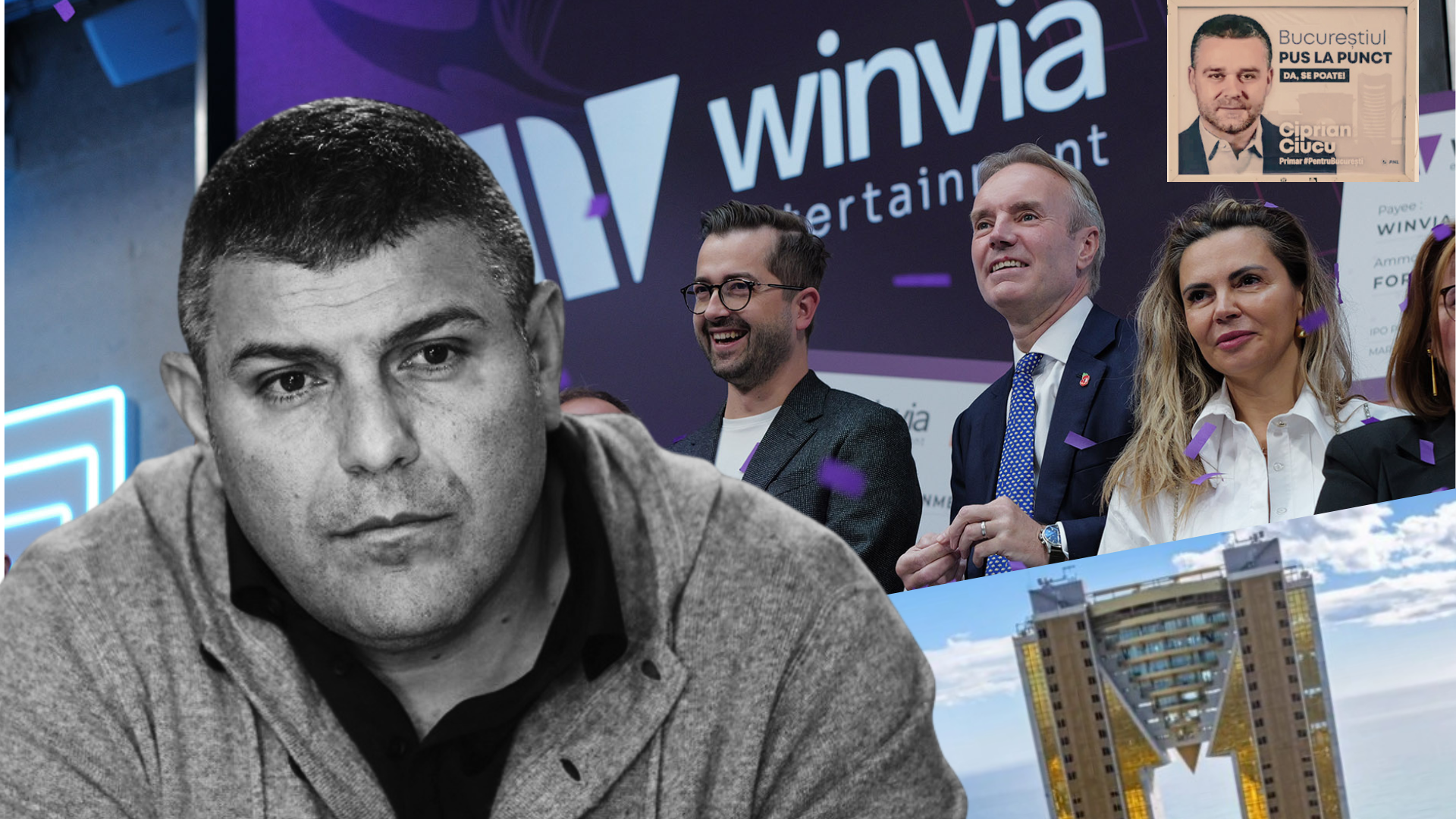
In 1996, a young Israeli broker, Teddy Sagi, appeared before the Tel Aviv District Court to plead guilty to charges of bribery, securities fraud, and stock market manipulation. He was sentenced to nine months in prison, serving five. Three decades later, Sagi is a billionaire with an estimated fortune of over $7 billion, controlling a global maze of offshore companies, online casino platforms, VPN networks, and a colossal real estate portfolio.
The system did not fail. It worked exactly as designed. When a state’s law enforcement and regulatory institutions are stripped of integrity, they do not disappear—they are taken over. They become outsourced operational divisions for white-collar organized crime.
This is the anatomy of a captured state. Not with tanks or armies, but through holding companies registered in Gibraltar, online casino servers, bribes disguised as election consulting, and jackpots awarded “by remote control.” At the center of this spider’s web stands a single man: Teddy Sagi. A former convict for stock market fraud in Israel, he has transformed himself into one of the world’s most powerful magnates in digital privacy and gambling.
And his lieutenants in Romania are not mere intermediaries. They are precisely the people who should have been defending the state against him
Winvia Entertainment has listed on #AIM with a £205m market cap and £40m raised, accelerating growth across UK Prize Draws and Romanian gaming.
“A defining moment in our journey,” said CEO Mihai Manoila.
🔗: https://t.co/JytAYTWslV #IPO #Tech #Gaming #MarketOpen #AIM30 pic.twitter.com/am2VcFjgOx
— London Stock Exchange (@LSEplc) November 3, 2025
The Architect of Opacity. From Prison to Billions
To understand how the Sagi network operates in Romania, one must decipher its business DNA. Teddy Sagi does not innovate products intended for the end consumer; he builds and controls the infrastructure of poorly regulated markets.
After his release from prison, Teddy Sagi entered the online pornography industry through the company Unlimited9, honing his expertise in high-risk cross-border payments and cash flows that are difficult to trace. He then founded Playtech in 1999, creating the software engine for an offshore online gambling industry free of borders and constraints.
His business model—successfully applied at Playtech, Kape Technologies (the VPN empire), and SafeCharge (overpriced payment processing for industries shunned by banks)—has always been the same:
- Taking control from the shadows: Sagi holds a majority stake but leaves executive roles to others. Legal restrictions apply to formal roles, not hidden ownership.
- Risk transfer: He builds companies privately, sells them to his own public companies at colossal valuations, leaving investors to absorb any regulatory-induced collapses (see the Markets.com case).
- Militarization of leadership: Fills boards of directors with former members of Israeli intelligence agencies and commando units (Unit 8200, Duvdevan).
This playbook has been perfected and brutally implemented in Romania.
Winvia Entertainment and the “Trojan Horse” at the ONJN
The Romanian gambling market was initially viewed as a second-rate destination. Under Sagi’s command, it became a cash cow and a massive money-laundering machine, operated through a London-listed company: Winvia Entertainment PLC (formerly Best of the Best Limited). These operations were targeted by the long arm of the National Anti-Corruption Directorate, which arrested the mayor of Romania’s capital, Ciprian Ciucu, who was on Teddy Sagi’s payroll through his intermediaries and associates Odeta Nestor and Mihai Manoilă.
„
Winvia controls brands with massive exposure in Romania, both online and in brick-and-mortar locations: Princess Casino, Luck Casino, Cashpot, Magnumbet, and Powerbet.
To dominate a market, you need the people who regulate it. Thus, the former regulators have become the billionaire’s main operators. The official UK Companies Register clearly shows who the beneficial owners are.
The company’s listing prospectus states that the Romanian gambling market is one of the main pillars of the business, alongside prize draw operations in the UK.

Odeta Cristinela Nestor, former president of the ONJN and, subsequently, Chief Business Development Officer at Winvia, played an important role in the development of operations in Romania. According to documents published by the company, she indirectly holds stakes in one of the firms listed among the group’s significant shareholders.

Winvia Entertainment Control Structure
Entity / Person Official Position / Actual Control / Role in the Network
Teddy Sagi Ultimate Beneficial Owner (UBO) Holds 73,062,980 shares (69.5%). Absolute decision-making power.
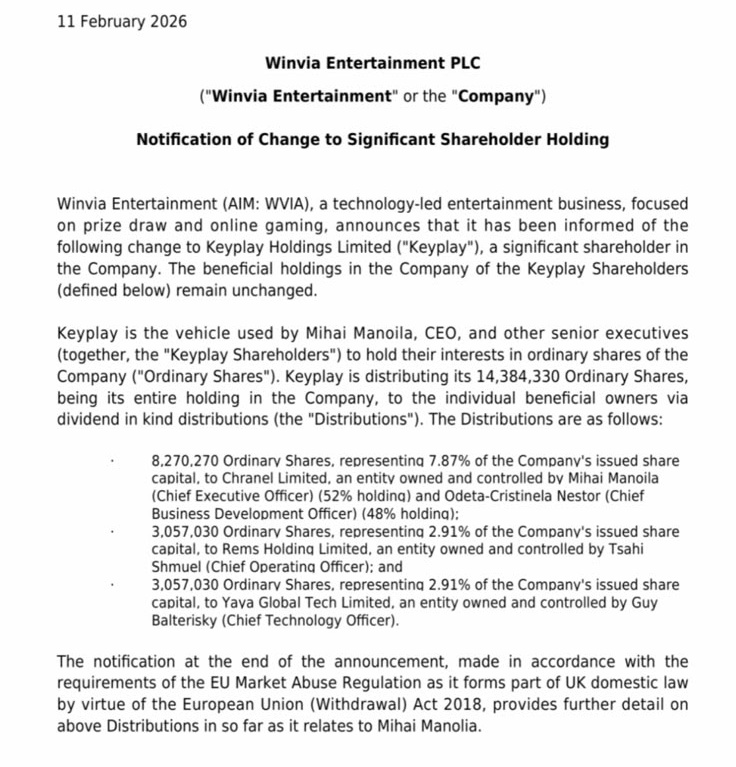
Chranel Limited Significant Shareholder (7.87%) Holding vehicle. Holds 8,270,270 common shares in Winvia.
Mihai Manoilă CEO of Winvia Entertainment Holds 52% of Chranel Limited. Sagi’s executive liaison.
Odeta-Cristinela Nestor Chief Business Development Officer Holds 48% of Chranel Limited. Former President of the National Office for Gambling and Lotteries (ONJN).
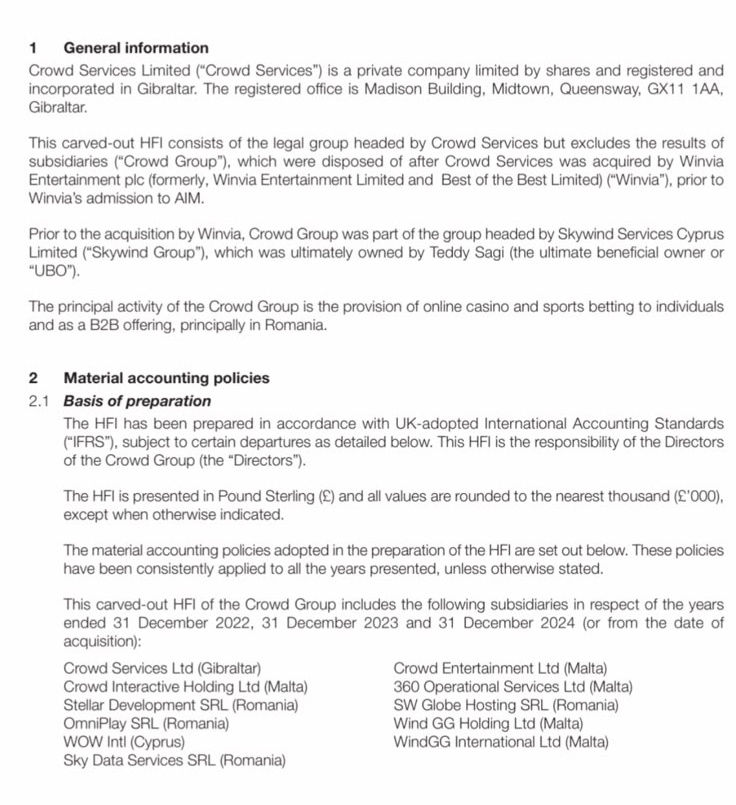
Crowd Services Ltd (Gibraltar) B2B Operational Hub Directly controls the Romanian subsidiaries (Stellar Development, OmniPlay, Sky Data Services).
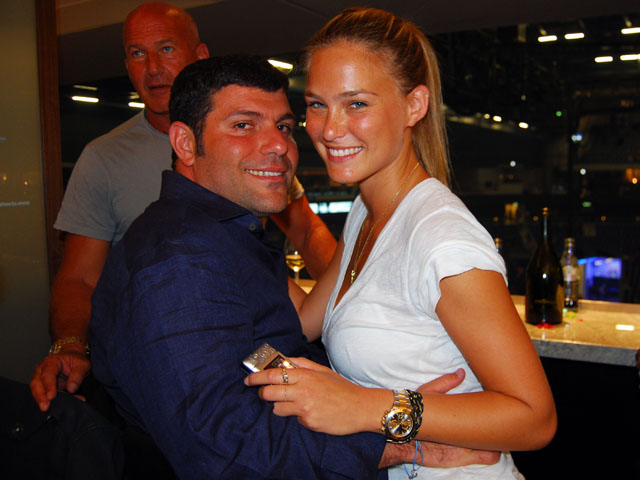
Odeta Nestor’s presence at the heart of this conglomerate is no coincidence, but rather a power play. A former chief financial officer at the National Lottery who was promoted to head the National Office for Gambling (ONJN), Nestor knew all the system’s loopholes from the inside. Once she moved to the private sector, her expertise was not used for legal compliance, but to expand the Sagi empire.
This seemingly flawless corporate structure, however, conceals the visceral operations of organized crime. In recent years, Teddy Sagi has been active in the Asian market, particularly in China, using under-the-table agents to collect money for organized crime—operations that have brought him tens of millions of euros each month. Thus, various methods for laundering this money were identified by Mihai Manoilă, Odeta Nestor, and Paul Nicolau—Pescobar. Teddy Sagi had a long-standing ban on entering the U.S., but once he was allowed to set foot on American soil, he began investing heavily in real estate in Miami, Florida, with the money obtained from these operations.
Mihai Manoilă from Botoșani is the mastermind behind the Winvia operations and Teddy Sagi’s right-hand man. Manoilă has a friend from Botoșani known as Stero. His YouTube channel SteroSlots features games played with virtual money, where he claims to win colossal sums on slot machines, thereby manipulating the younger generation into investing their savings in gambling. This is how lives and families in Romania are being destroyed by Teddy Sagi’s operations.

The Mechanics of Fraud: Remote-Control Jackpots and Mafia Money
While British holding companies and Cypriot bank accounts represent the upper echelon, “street-level operations” take place in Romanian gambling halls, where the technology developed by firms controlled by the network meets the underworld’s urgent need for money laundering.
The Winbet case is a perfect example of how the symbiosis between Eastern European organized crime and the gambling industry works. Winbet is owned by Bulgarian citizens Georgi Papazki and Danail Iliev. Georgi is the brother of Valter Papazki, a man sentenced in Bulgaria to 10 years in prison for ordering the execution of Valentin Aleksiev (“The Fox”). We are not talking about ordinary entrepreneurs, but about figures in Balkan organized crime.

How the Clean Money Factory Works
Gaming halls aren’t just places that extract money from vulnerable people; they’re machines for laundering money derived from drugs, human trafficking, and corruption. The method? Targeted jackpots.
Normally, a slot machine system awards jackpots based on a random number generator (RNG), which is theoretically supervised by the ONJN. In reality, within protected networks, large jackpots are awarded on command.
- An individual who needs to launder a large sum of illicit money (say, 50,000 euros) goes to a specific casino at a specific time and sits down at a specific machine (e.g., Machine No. 6).
- An employee with administrator privileges, often directed by phone, triggers the jackpot directly through the software for that specific machine.
- The individual goes home with the money, accompanied by a perfectly legal winning certificate issued by the casino. The unaccounted-for money has become taxable income, justified to the National Agency for Fiscal Administration (ANAF).
The scheme fell apart when a surprise audit uncovered a suspicious jackpot withdrawal to the card of another casino employee, followed by a complaint to the authorities.
The 100,000-euro bribe and the facilitator’s role
When ONJN inspectors began documenting these frauds at Winbet, the risk was not merely a fine. The real danger was a referral to the National Office for Preventing and Combating Money Laundering and the opening of criminal cases at DIICOT or DNA.
This is where the network’s ability to put out fires comes into play. According to DNA prosecutors, between April 2 and 6, 2026, a scheme was orchestrated to buy the Romanian state’s silence. The Bulgarian defendant R.D.M., acting on behalf of Winbet, promised a bribe of 100,000 euros to an ONJN official to ensure a favorable audit outcome.
The most shocking element of the DNA report is the identity of the person who facilitated the acceptance of this promise: the defendant N.C.O. – Odeta Cristinela Nestor, the former president of the institution. The institution she had once led had now become a marketplace where the immunity of the Bulgarian mafia was being negotiated.

The “In Touch Games” Case and the Software Used to Cover It Up
For those who believe that manual tampering with software systems and the cover-up of evidence are merely isolated incidents in Romania or Bulgaria, a case currently pending before the High Court in London demonstrates that the destruction of evidence is standard practice.
In 2022, Skywind Holdings (a vehicle directly controlled by Teddy Sagi) acquired In Touch Games (ITG) for 51 million pounds. Following the acquisition, Skywind sued the former owners (the Wilson family), accusing them of massive pre-acquisition fraud.
Court documents mention a chilling digital tool: “Super-User Code”.
According to the allegations, during a rigorous audit conducted by RSM, ITG employees used this code to delete images of customers’ forged documents (bank statements, ID cards). The digital horror of this code was that, once an image was deleted, all activity logs related to that image were automatically deleted as well.
It was software specifically designed to cover its tracks. An internal whistleblower, Nicholas Burton, discovered falsified accounts being churned out on an assembly line. He withdrew his complaint shortly thereafter, following a meeting that lawyers claim was extremely “coercive.”
What Skywind is publicly denouncing in UK courts is, ironically, the very type of obscure software engineering that makes the jackpot fraud orchestrated from Bucharest possible. The ecosystem tolerates data manipulation only when it is profitable.
“Camden Market” on the Dâmbovița River and electoral bribery. The Ciprian Ciucu case
Money generated from unregulated gambling undergoes a mandatory transformation: it must be converted into real assets. For Teddy Sagi, the real estate formula was tested and validated in London, where he acquired the famous Camden Market for 490 million pounds, subsequently transforming it into a vehicle for a public listing (Market Tech) and delisting it after draining it of liquidity.
This model of land acquisition and the construction of massive complexes was brought to Bucharest, with Sector 6 serving as its main playground. With investments of over 60 million euros in the Bucharest real estate market (including the buildings known as “Swan Office Park”), Sagi’s interests came to depend on a single thing: Mayor Ciprian Ciucu’s signature for the issuance of building permits and authorizations.
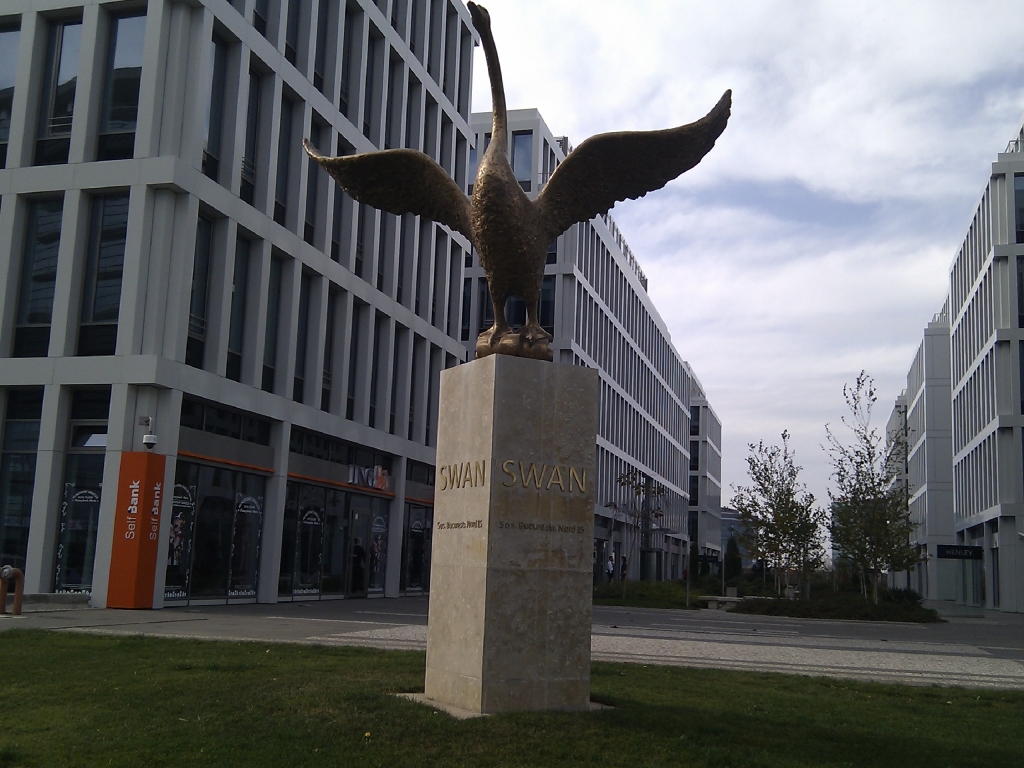
Once again, Mihai Manoilă and Odeta Nestor act as intermediaries, facilitating building permits for massive projects intended to “develop real estate for Teddy.”
Campaign Funds and Mayor Ciucu

One of the real estate investment vehicles within the sphere of influence of this mega-network is Safe Home Invest SRL. The main shareholders are three Romanian citizens of Jordanian origin: Moh D Nabeel Kh A, Moh D Moh, and Yuan Ștefan.
They are developing the Ajustorului Residence complex on a 2.1-hectare plot in Sector 6 (six 10- and 11-story apartment buildings). On February 26, 2026, the Sector 6 City Hall issued them a building permit for a three-level above-ground parking garage.
What was behind these approvals? DNA prosecutors discovered that in November–December 2025, the Moh brothers offered undue benefits to the then-mayor of Sector 6, the current Mayor of Bucharest, Ciprian Ciucu. The bribe was not given in bags of cash, but in a modern way, in the form of advertising and electoral consulting services, masking the political support in exchange for the issuance of urban planning certificates. Businessman Yuan Ștefan acted as an intermediary.
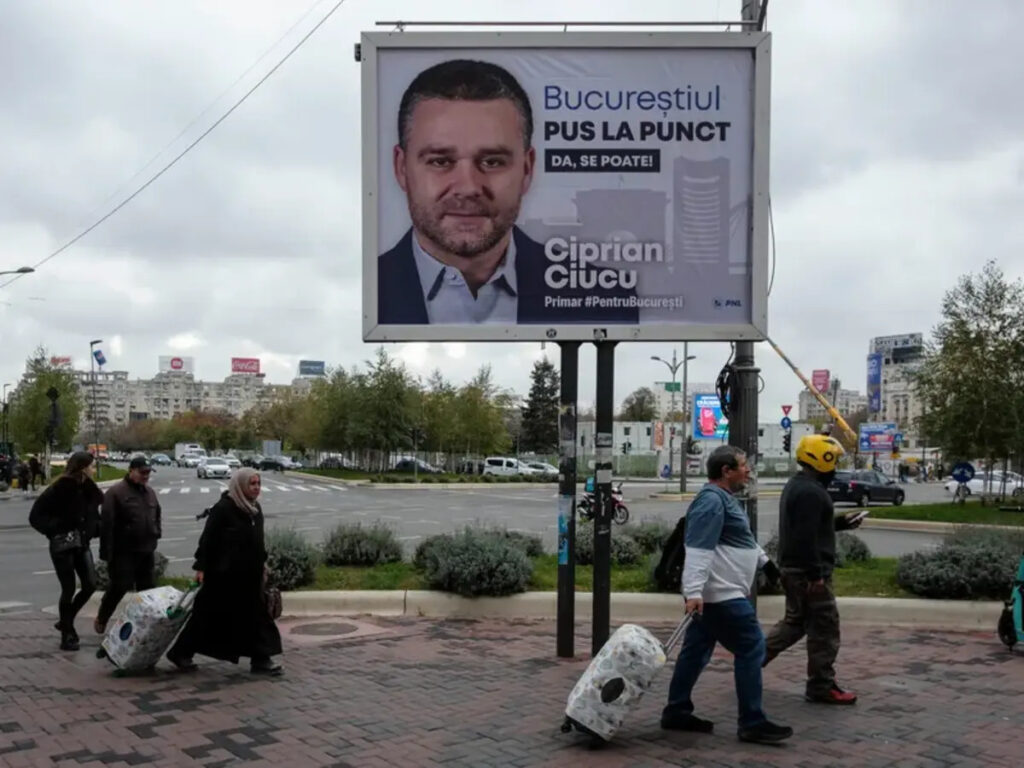
Ciucu was placed under judicial supervision, claiming that “they used my name.” However, the DNA made one vital point very clear: Mayor Ciucu’s case was directly separated from the ONJN (Winbet/Nestor) bribery case. The real estate and gambling cartels use the same financial and influence networks.
When the State Devours Itself
The harshest reality of this criminal ecosystem is the way it controls the state apparatus. Where bribing officials is not enough, the network uses other public institutions to annihilate its opponents. The ONJN has become the battleground for a mafia-style settling of scores, carried out with the seals of the Court of Auditors.
On one side of the barricade stands Tudor Simota, general director of the ONJN’s General Directorate for Supervision and Control, a former police officer, former chief of staff at the Ministry of Finance, and Odeta Nestor’s life partner. Simota controlled the ONJN’s enforcement arm, which remained untouched by investigations as long as the system remained in balance. His ostentatious lifestyle—driving a Maybach despite having been a civil servant his entire life—has always raised questions. Simota received the Maybach as a bribe from the Moh brothers. Furthermore, Odeta and Simota also own a luxury apartment in the Moh brothers’ complex.

While Odeta was at the National Lottery, he served as a representative of the Ministry of Finance, in the role of the minister’s chief of staff. She was the financial director, and that’s how their love story began. All his life, Simota has been nothing but a civil servant, yet he has tens of millions of euros and drives the Maybach he received as a bribe from the Moh brothers. Then, when Odeta became head of the ONJN, she appointed him as head of oversight.
On the other hand, there is Mihail-Silviu Pocora, former vice president acting as president of the ONJN (June 2022–November 2023), a PSD protégé and loyal to the MagnumBET network in Constanța (a business linked to the brother of the SIE chief, Gabriel Vlase). After being removed from the ONJN, Pocora was brought back by Minister Bogdan Ivan to the Ministry of Energy as secretary general, strategically positioned as a “watchdog” and the sole gatekeeper of the ministry’s communications with the press and European institutions.
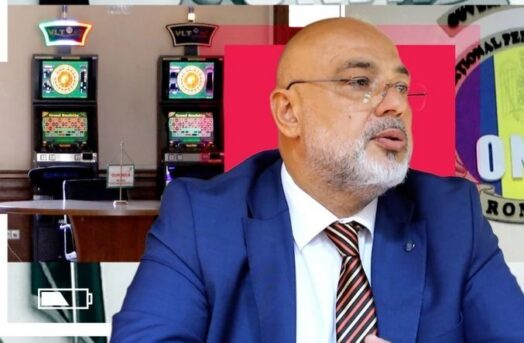
The conflict between the Simota-Nestor and Pocora factions erupted following a report by the Romanian Court of Auditors.
The Court of Auditors’ report focused on the ONJN’s activities for the 2019–2023 period. Although it does not directly name individuals, the report is a surgical strike against Tudor Simota. The financial inspectors’ conclusion? The ONJN focused preferentially only on physical slot machines (“land-based slots”), leaving online gambling platforms to operate completely unsupervised—precisely the segment where Winvia, Sagi, and the association led by Odeta Nestor (AOJND) hold an absolute monopoly.
This official crackdown was facilitated by Carmen-Dorina Drăgan, an audit advisor at the Court of Auditors and, conveniently, Silviu Pocora’s mother-in-law.
Government officials are tearing each other apart, protecting different factions of the same corrupt industry, while billions in offshore accounts flow undisturbed. ONJN officials—90% of whom were hired through rigged competitions secretly orchestrated by Odeta Nestor—are mere puppets in a puppet show financially controlled from Tel Aviv, London, or Gibraltar.
Mihail Silviu Pocora is a key player in the mafia’s machinery, with ties to the oil and gas business in the Russian Federation. The case involving the drone in the Port of Constanța will blow up in the faces of these crooks who bring petroleum products and gas from Russia using forged certificates of origin routed through Kazakhstan.

The Spain Syndrome. Money Laundering at the Highest Levels / Odeta Generates Millions of Euros Every Month
Money isn’t real until it takes physical form. The colossal sums siphoned off from unpaid taxes, rigged jackpots, and under-the-table commissions are taken out of Romania and “parked” in absolute safety, usually in countries with lax procedures regarding the source of funds for European citizens. The Nestor-Simota family’s favorite destination: the Alicante–Benidorm area in Spain.
While police officers and ANAF officials can barely make their monthly payments, Odeta Nestor has been buying luxury properties one after another under the Mediterranean sun:
- L’Alfas de Pi (2022): A luxury property purchased for 670,000 euros. Before-Renovation Photos – 2022
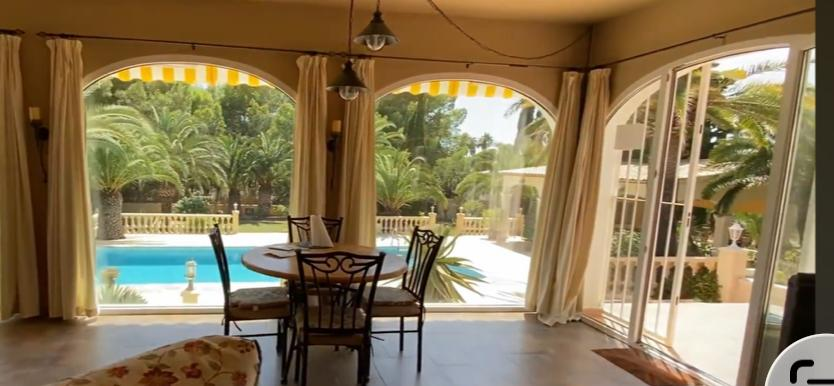
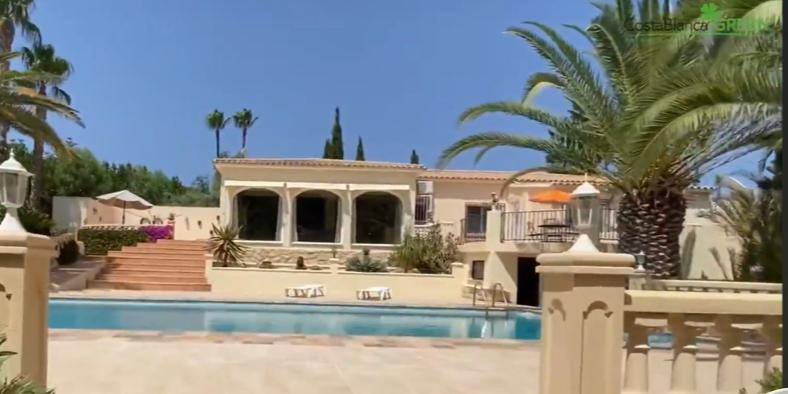
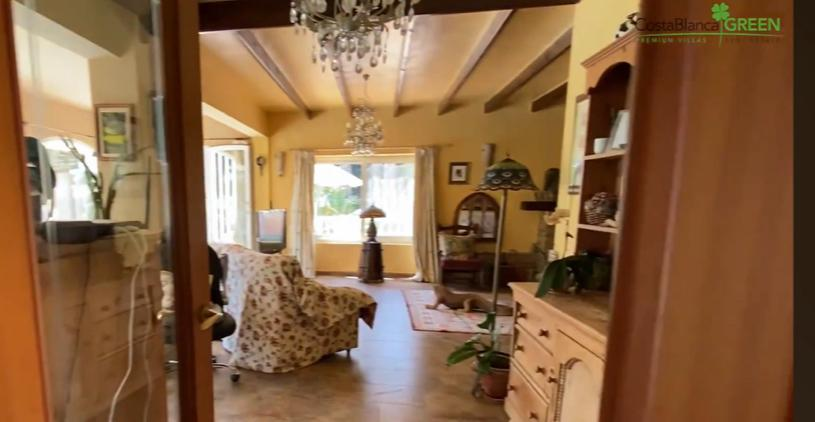
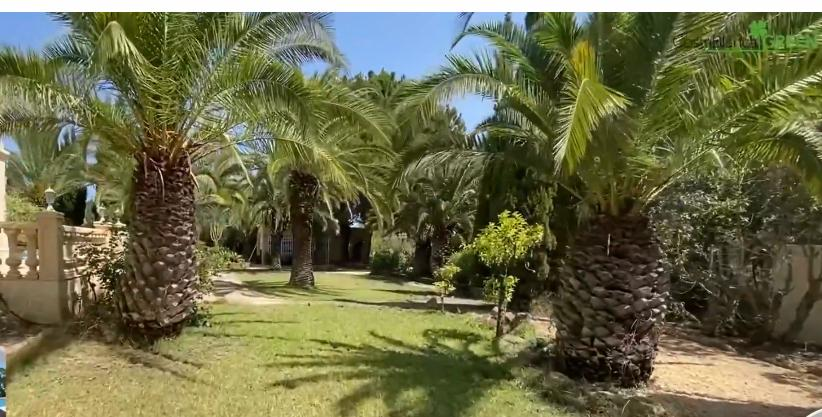
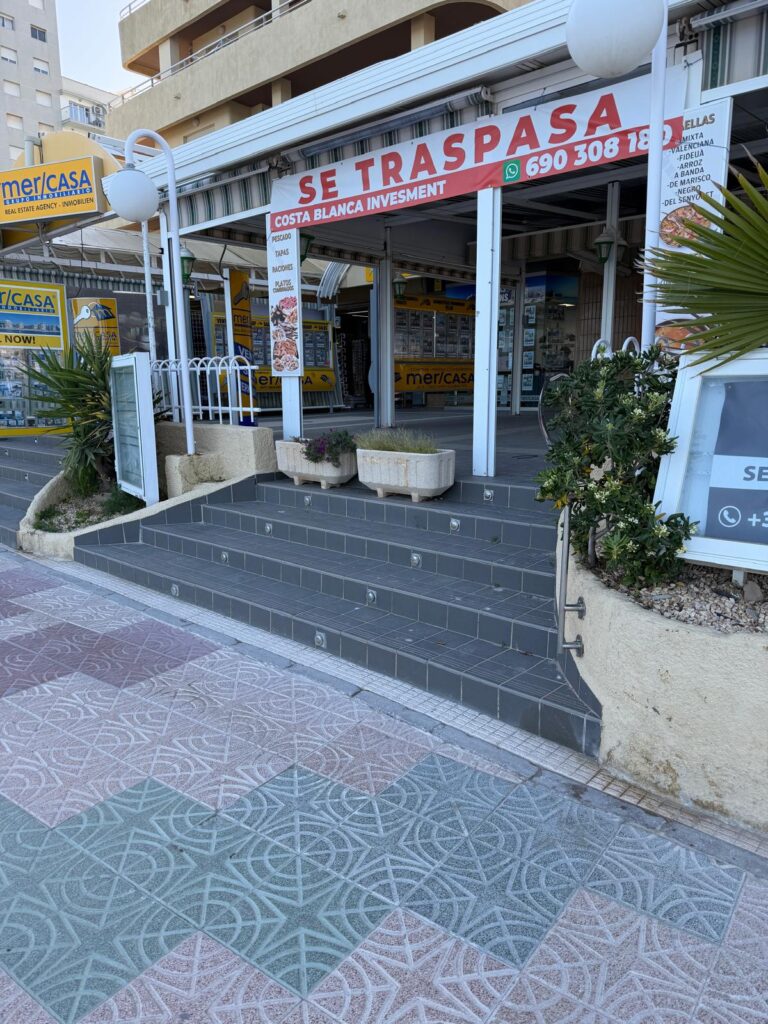
- Playa Levante / Benidorm: An adjacent commercial space purchased for 1,000,000 euros.
- Odeta Nestor paid a deposit for two apartments in the Gran Delfin luxury residential complex, located on the beachfront of Poniente Beach in Benidorm
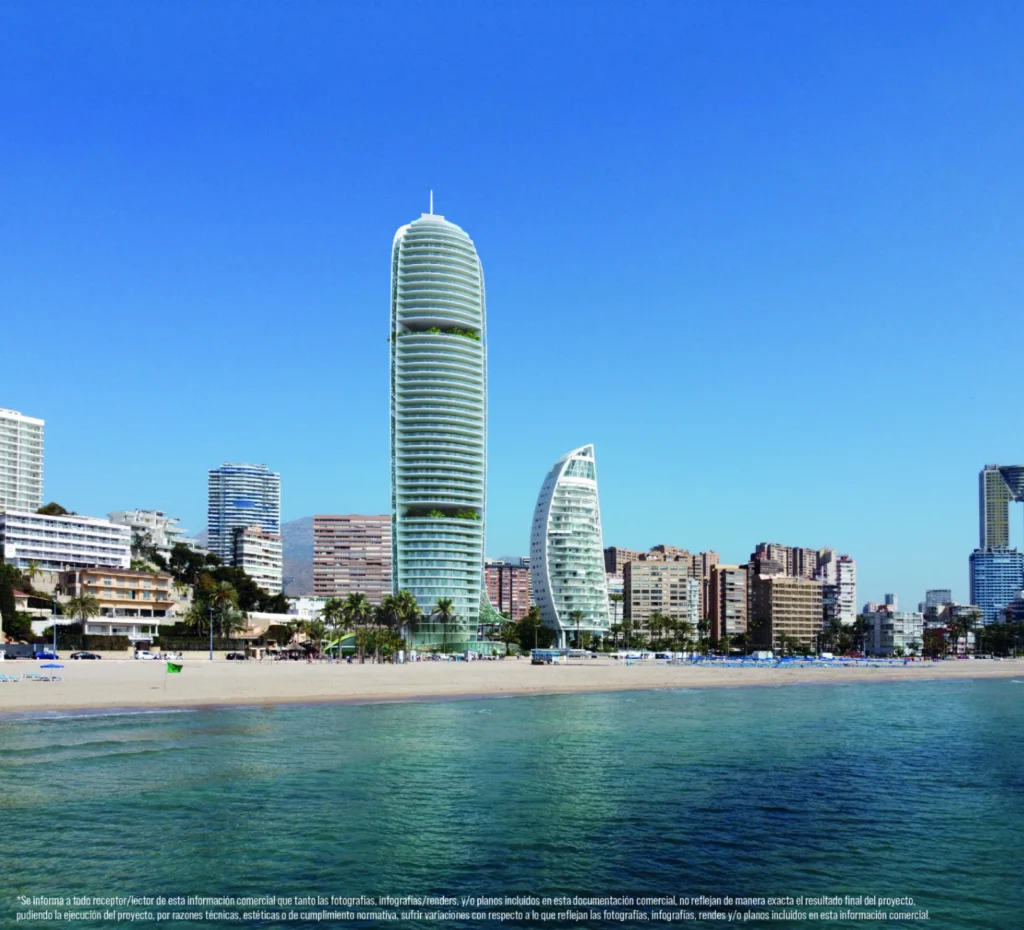
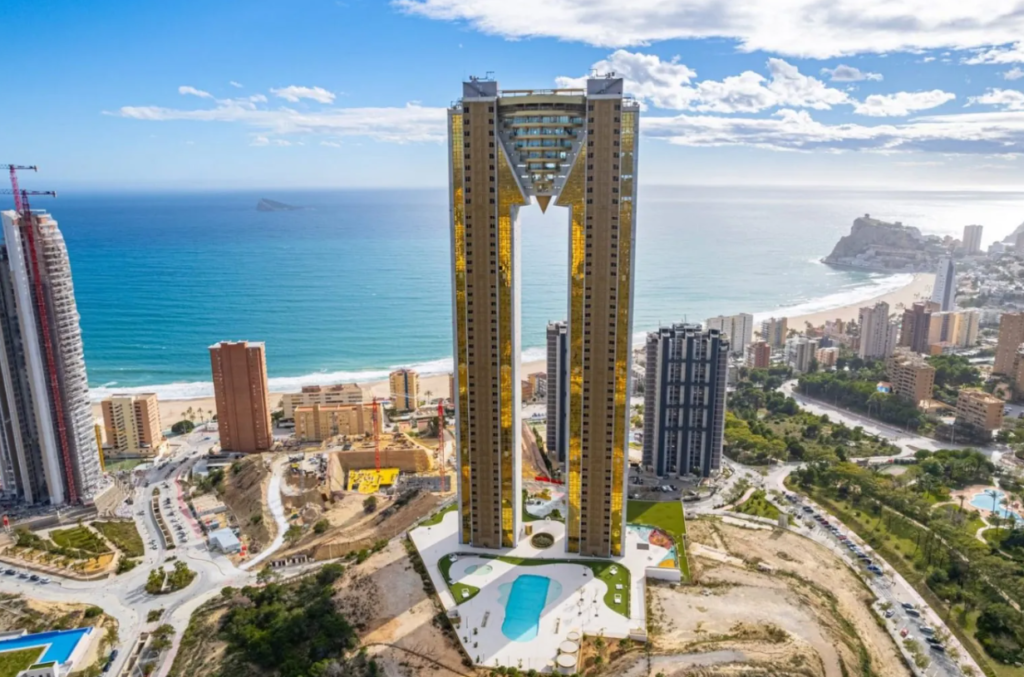
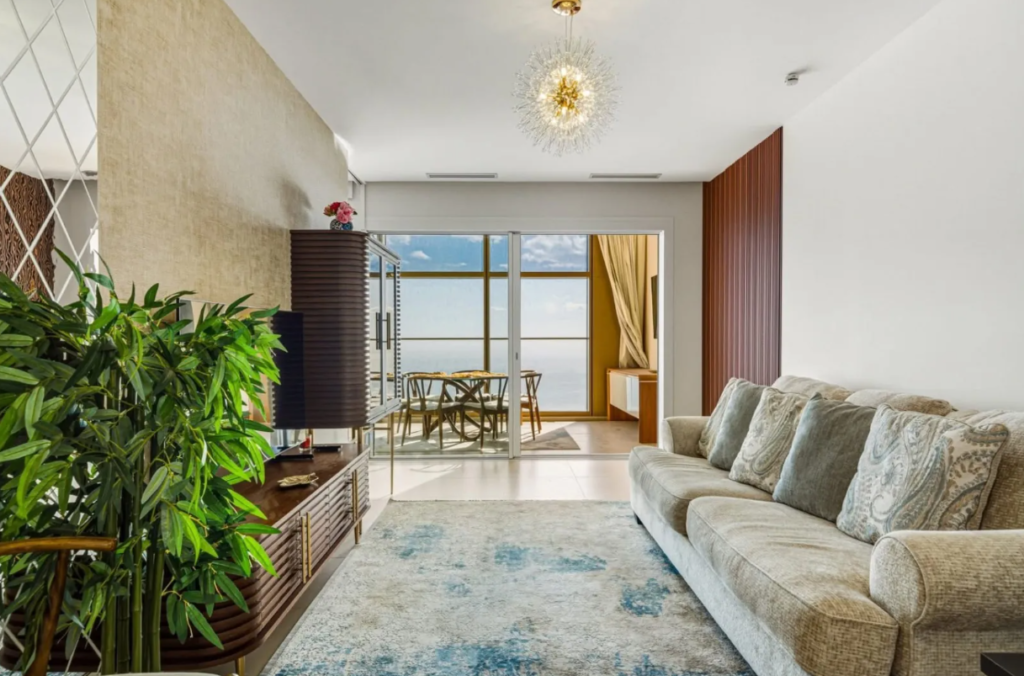
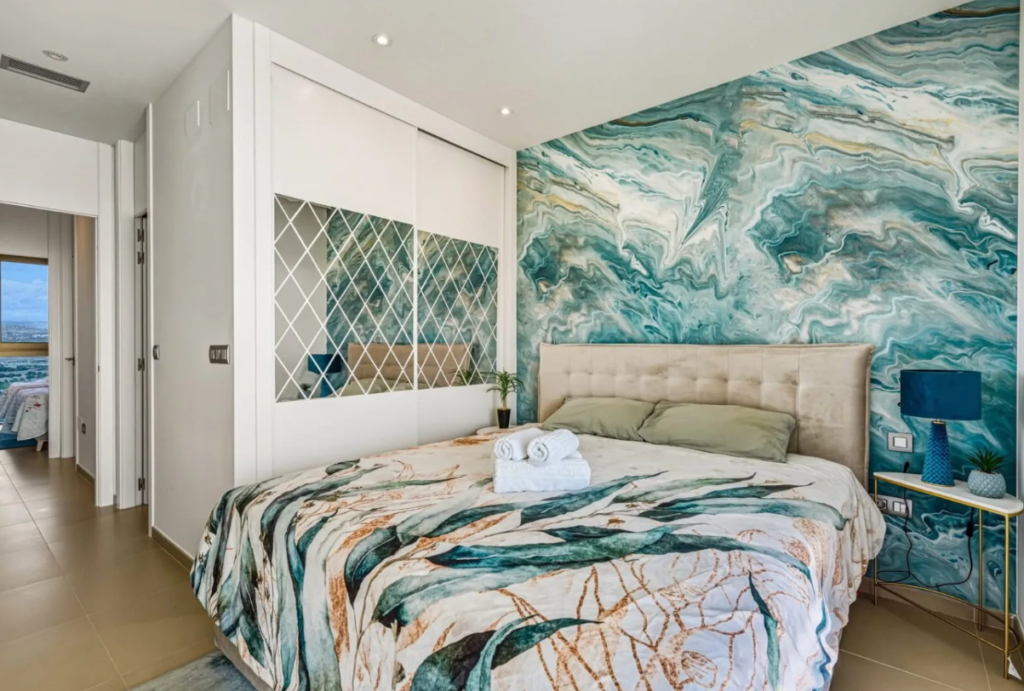
- The Crown Jewel (Intempo Tower): An absolutely breathtaking luxury apartment located on the 37th floor of the iconic Intempo Tower in Benidorm (one of the tallest residential buildings in Europe, with panoramic views of the Mediterranean). The 130-square-meter apartment has just recently been listed for sale at the exorbitant price of 775,000 euros (Listing BD37) — details HERE.

This massive migration of capital represents the transformation of toxic institutional influence into guaranteed financial security in a premium Western real estate market, far from the jurisdiction of Romanian prosecutors.
What Romanian prosecutors need to know: how this transnational organized crime scheme works
Odeta Nestor and the criminal group she joined while still heading the ONJN are buying up real estate on a massive scale in various countries and then selling it at a loss to launder the money. Ms. Nestor and her network generated millions of euros monthly, and the money obtained through illegal casino licenses (for example, when operating an online platform, one can enter unregulated markets using licenses from Curaçao), bribes, and other scams was transferred abroad for the purchase of movable and immovable property. Another money-laundering scheme involves Pescobar’s businesses. Empty restaurants reporting millions of euros in revenue, plus restaurants opened in rapid succession and closed after a few months to launder illegally obtained funds.
Tudor Simota appointed Nadia Deliman as head of the Western Territorial Service at the ONJN. Her brother, Cătălin Țițirigă, operates both licensed and unlicensed gambling halls—a fact proven by DIICOT—and the apartments purchased in Spain by Odeta Nestor are registered under Țițirigă’s name.


Pescobar, the optical illusions of the resident joker, and the brainwashing machine for the younger generation
The empire isn’t sustained solely by corrupt politicians and officials; it needs a constant stream of victims—players who consistently lose money. How can you maintain a steady flow of young people to platforms like Princess Casino (operated by Sagi’s group)?
The answer is aggressive manipulation through influencers who have a hold on a vulnerable and financially uneducated audience. This is where Paul Nicolau, alias Pescobar, enters the scene. Known for his flamboyant rhetoric and display of ostentatious luxury, he acts as a media magnet for the holding company’s casinos. Nicolau pumps out daily advertisements for Princess Casino, creating the illusion of a life of quick success.
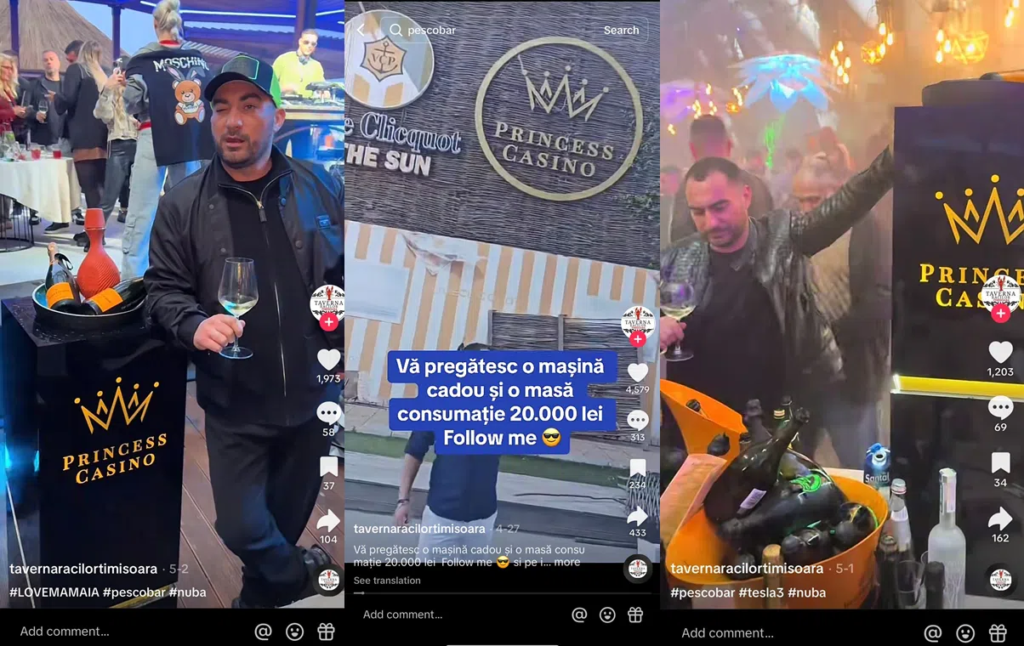
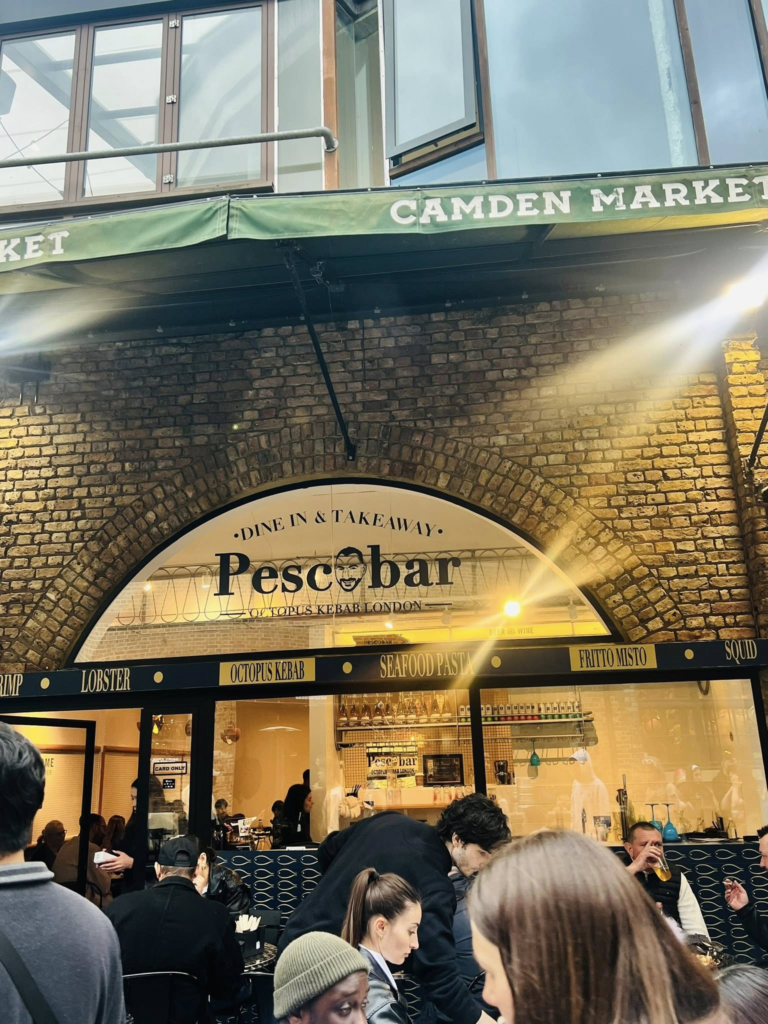
But his involvement runs much deeper than a simple advertising contract. Nicolau is no stranger to the epicenter of the Sagi empire’s business dealings. He owned and operated a commercial space right in the heart of London’s Camden Market—Teddy Sagi’s undisputed real estate stronghold, a property Sagi purchased for 490 million pounds. With the help of Sagi’s network in Romania, Pescobar launders dirty money through its restaurants and property acquisitions, according to judicial sources cited by Anchetatorii.ro.
These connections are not mere coincidences. They reveal a complex structure in which influence, real estate, and gambling are pieces of the same puzzle. Pescobar attracts customers, the casinos generate capital (legitimate or otherwise), officials cover up the fraud, mayors facilitate real estate expansion for the reinvestment of funds, and the group’s leaders buy peace of mind on Spanish beaches.
The Winvia/Sagi case is likely the most extensive and complex scheme to infiltrate Romania’s economic security system uncovered in the last decade. What began as an operation by a former con artist convicted of stock market fraud in Israel has, thanks to the full complicity of Romanian officials, turned into an entity that has paralyzed institutions, corrupted politicians like Ciprian Ciucu, and drained the resources of an entire generation.
The financial mechanism through which Teddy Sagi controls the Romanian gambling market via Winvia Entertainment PLC is a faithful application of a corporate engineering model based on opacity, perfectly demonstrated by his maneuvers involving offshore vehicles such as Unikmind Holdings Limited. Official documents show how Unikmind, a company registered on the Isle of Man, managed to raise a massive $685 million from the HSBC consortium—financing structured on February 13, 2023, through a $342 million Holdco loan, a $268 million Cash Bridge facility, and a $75 million Accordion Bridge extension.
These colossal loans, secured by a pledge agreement governed by Swiss law, were subsequently released and fully discharged on June 14, 2024, officially eliminating the debts and erasing all traces of the takeover from public records. Sagi’s ability to instantly funnel hundreds of millions of dollars through offshore accounts and subsequently lift the encumbrances without public traceability explains exactly the logistics behind the Winvia group: its affiliates use Winvia’s London front and intermediary holding companies to rapidly transfer capital, to take over casino networks in Romania, to corrupt institutions such as the ONJN through intermediaries like Odeta Nestor and Mihai Manoilă, and to launder the resulting proceeds into the real estate market—all operating under the protection of the same labyrinthine financial architecture that made the global monopolization of digital privacy tools possible.
What no prosecutor in Romania can dispute in light of the evidence gathered is that regulation in our country is a fiction. In the absence of legislation requiring the disclosure of the national security traceability of funds and limiting the power of foreign holding companies over critical economic structures, Romania remains a casino with its doors wide open.
A casino where the manager cheats on every hand, the mayor stands at the entrance collecting protection money in the form of campaign banners, and the regulatory authority hands out tips at the table reserved for the mafia. And, just like in any rigged casino in this world, at the end of the day, the only one who truly loses is the ordinary citizen. The house always wins. And this time, the “house” is located on the Isle of Man, is worth hundreds of millions of pounds, and bears the signature of Teddy Sagi.